

1
Write the brief
Define role, personality, age, silhouette, outfit, colour language, props, and story context.

Turn one character brief into a complete visual system: portraits, full-body concepts, turnarounds, expression sets, pose references, outfit variants, and scene-ready character art.

Build a reusable identity for the same character across styles, poses, expressions, props, and production handoff.
Character design workflow
This page is built for creators who need more than a single attractive portrait. It focuses on the repeatable workflow behind usable character design: prompt direction, style control, turnarounds, expression sets, pose variants, props, and review-ready references.
Use it when a character needs to stay recognizable across scenes, poses, thumbnails, reference sheets, and production notes instead of changing every time you generate a new image.
A promising character can lose face shape, costume details, or visual identity when each prompt starts from scratch.
Front, side, back, expression, and pose variants are expensive to commission and slow to revise manually.
Teams need to compare anime, comic, game, and stylized 3D directions without rebuilding the character brief every time.
Before
A rough character idea, a few disconnected prompt tests, and no shared reference for the production team.
After
A clear character system with style variants, consistent identity, pose ideas, expression notes, and reference-sheet outputs ready for review.
Get a reviewable visual direction before opening a full concept art production round.
Reuse the same character direction across styles, poses, expressions, and reference-sheet views.
Case study
A small game or comic team can define the character brief once, generate several art directions, and keep the strongest reference set for modelling, panels, or marketing visuals.
Useful outcome
Less visual ambiguity before production: the team reviews the same character identity, costume language, and pose direction.
LlamaGen character design workflow, concept art and character reference planning
Keep personality, silhouette, outfit, palette, and props attached to the same creative source.
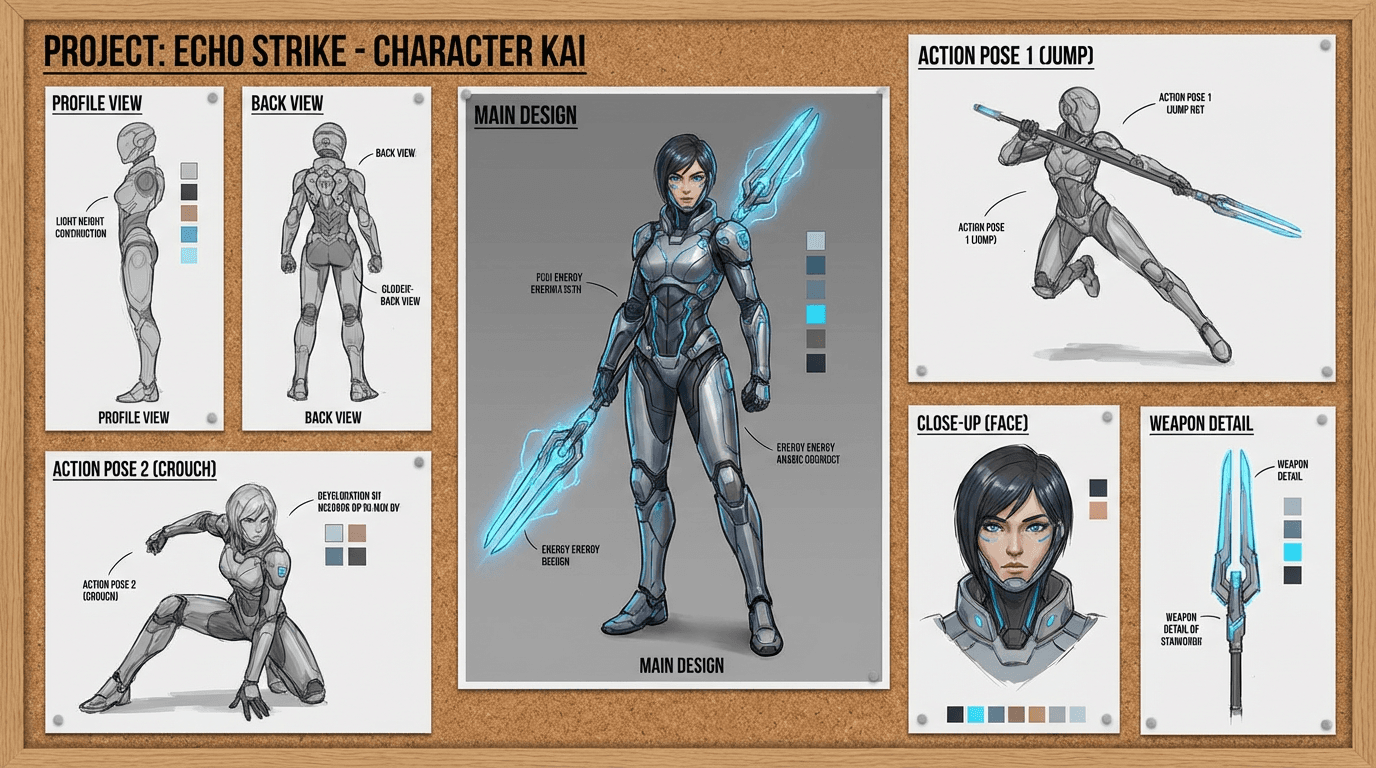
Plan front, side, back, close-up, and full-body references before production.
Compare art directions without losing the character identity you already approved.
Move from isolated portraits to references a storyboard, comic, or game team can use.
LlamaGen helps you build a complete AI character design workflow instead of a disconnected gallery. Start with a brief, lock in the visual identity, explore styles, generate pose and expression references, then hand off a character sheet your team can discuss.
Define role, personality, age, silhouette, outfit, colour language, props, and story context.
Explore anime, comic, painterly, realistic, stylized 3D, or game concept directions from one source.
Create portraits, full-body views, turnarounds, and detail references for production review.
Generate emotional range, action poses, camera framing, and interaction moments.
Use the strongest references for storyboards, comics, game assets, pitch decks, and model sheets.
Upload a reference or write a compact brief, then turn the idea into a structured character package: art direction, turnaround views, expression options, pose references, outfit notes, and export-ready images.

A character only works when the audience can recognize them again. LlamaGen helps preserve face shape, costume language, colour palette, accessories, and story props across portraits, sheets, poses, and scene references.

Strong character design is not just a face. Control style, body language, camera angle, emotion, wardrobe, props, and relationship moments so the character is useful beyond the first portrait.
Compare anime, comic, fantasy, realistic, and stylized 3D versions while preserving the core character idea.

Create close-ups, full-body action poses, three-quarter views, and camera-aware references for visual storytelling.
Generate joy, anger, fear, confidence, surprise, and neutral states that keep the same face and personality.

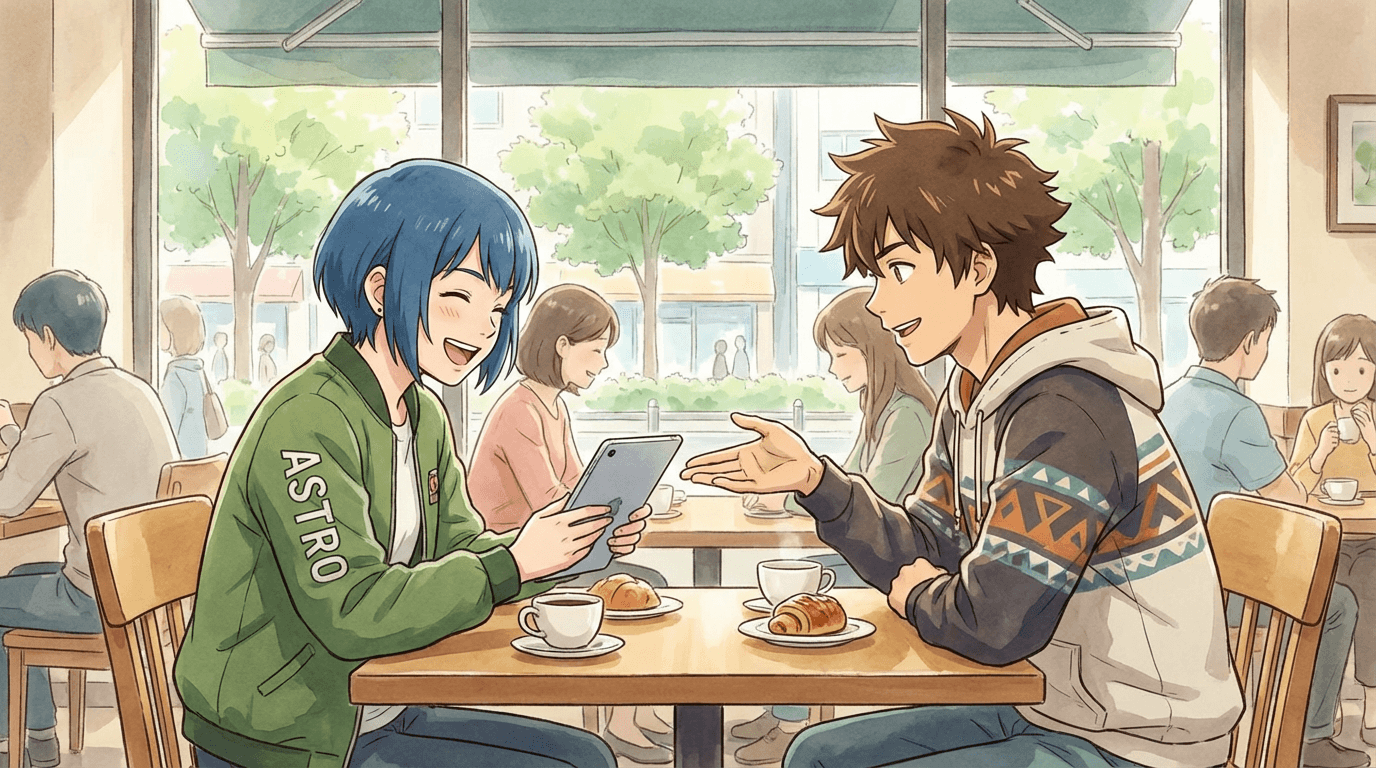
Plan how characters interact in comic panels, storyboards, visual novels, and marketing scenes.

A production team does not need one lucky image. It needs a wall of references that proves the character can work across different styles, angles, emotions, outfits, and scene requirements.
Identity
Turnaround
Emotion
Style

Props

Pose

Control
Scene
Use one AI character design workspace for concept exploration, identity consistency, pose and expression control, model-sheet thinking, multi-character scenes, and visual handoff.
Preserve the same face, silhouette, outfit, palette, and props across generated references.
Character consistency
Create front, side, back, close-up, and full-body views for modelling and visual review.

Turnaround sheets
Generate emotional range while keeping the same face, personality, and story role.
Expression design
Control outfit details, accessories, weapons, tools, and hero objects for stronger storytelling.
Wardrobe and props
Compare anime, comic, fantasy, realistic, and stylized 3D looks from one brief.
Style direction
Design character relationships for comics, storyboards, visual novels, games, and campaigns.
Multi-character scenes
Generate close-ups, full-body action, camera-aware poses, and scene-ready compositions.
Pose and framing
Collect the best portraits, sheets, expressions, and references for artists, clients, and teams.
Production handoff
Clear answers about consistency, styles, character sheets, commercial use, and workflow handoff.
Create a reusable character direction for games, anime, comics, VTuber concepts, storyboards, and pitch-ready visual worlds.